Discover 9 powerful vegan skin care secrets for naturally glowing skin. Learn how plant-based routines can transform your complexion and boost your confidence daily.
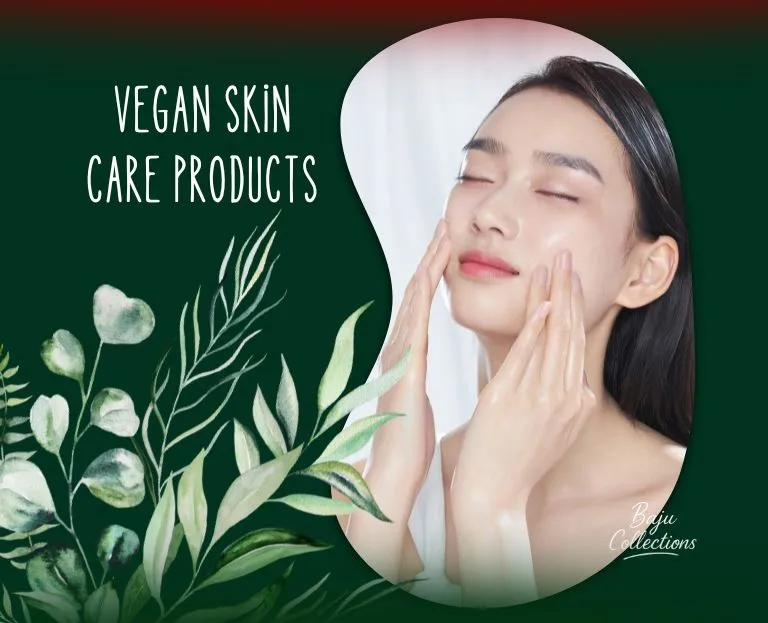
One evening, while sipping green tea with a friend, I noticed her skin glowing in a way that wasn’t just about makeup. It was natural, radiant, and effortless. I asked her secret. She smiled and said, “I switched to vegan skin care products, and it changed everything.”
That moment made me realize how powerful choices can be. In a world of overpromising labels and chemical-heavy jars, maybe the simplest — and most ethical — choice is also the most effective one.
But here’s what most people don’t realize: vegan skin care products aren’t just a trend. They’re backed by plant science, clean beauty research, and thousands of real-life transformations. Whether you have dry skin, oily skin, sensitive skin, or somewhere in between, there’s a plant-based routine that can truly work for you.
This article will walk you through 9 must-have secrets to glow with vegan skin care products — sprinkled with real stories, practical tips, and beginner-friendly guidance.

If you’ve ever asked yourself, “What is vegan skincare?” you’re not alone.
Vegan skincare is free from any animal-derived ingredients like beeswax, collagen, or lanolin. Instead, vegan skin care products use plant-based extracts, oils, and minerals. Unlike “natural” skincare (which may still use honey or milk), vegan options are cruelty-free and align with sustainability.
Think of It This Way: If you wouldn’t eat something harmful, why would you put it on your skin?
This is one of the most common questions I get — and honestly, the labels can be confusing.
Here’s a simple breakdown:
| Term | What It Means |
|---|---|
| Vegan | No animal-derived ingredients (no beeswax, collagen, lanolin, honey) |
| Natural | Ingredients sourced from nature — but may still include honey or milk |
| Cruelty-Free | Not tested on animals — but may still contain animal ingredients |
| Organic | Grown without synthetic pesticides — not necessarily vegan |
| Clean Beauty | Free from specific harmful chemicals — definition varies by brand |
The safest choice? Look for products that are vegan AND cruelty-free certified — meaning no animal ingredients AND no animal testing. Many of the best vegan skin care products today carry both certifications proudly.
A Small Case Study: A woman named Sara battled eczema for years. Prescription creams helped temporarily but always triggered side effects. When she switched to organic and vegan skin care products made with chamomile and oat milk, her flare-ups reduced drastically. Not only did her skin calm down — her self-confidence returned.
That’s why vegan matters. It’s not just about what’s in the jar. It’s about:
Every glowing skin care routine starts with cleansing. But here’s a question: how many times have you washed your face, only to feel it burn or tighten?
Traditional cleansers often use sulfates that strip natural oils. Vegan cleansers rely on soothing botanicals like aloe vera, cucumber, or green tea. They purify without punishing.
Take Emily’s Story: as a busy mom, she switched to a vegan gel cleanser with cucumber extract. She told me, “For the first time, I don’t dread washing my face — it feels refreshing instead of harsh.”
Tip: Always double cleanse at night if you wear sunscreen or makeup. Start with a vegan oil cleanser (like jojoba-based) followed by a gel wash.
Your skin is thirsty every single day. But did you know that most chemical moisturizers only “sit” on the skin?
Vegan skin care products use plant butters (shea, cocoa) and oils (argan, rosehip) that actually penetrate, leaving lasting softness.
I met an athlete once who struggled with dry patches from constant sweating. A dermatologist suggested a vegan moisturizer with oat milk and shea butter. Within weeks, not only were the patches gone, but his skin looked healthier despite daily workouts.
Ask Yourself: is your moisturizer quenching your skin, or just covering it?
Serums are skincare superheroes. They fight free radicals — the invisible culprits behind dullness and aging.
Vegan serums often feature Vitamin C from citrus fruits, niacinamide from plants, and hyaluronic acid derived from fermentation (not animal sources).
Case Study: A beauty coach tracked 20 clients who used vegan Vitamin C serum daily. After 60 days, 85% reported brighter, firmer skin. One even said, “My colleagues asked if I’d had a facial, but it was just my serum!”
Tip: Use a serum right after cleansing, before moisturizer, for maximum absorption.
Here’s the truth: without sunscreen, even the best vegan routine won’t last Most of the fine lines, dark spots, and early signs of aging we see on skin aren’t from time itself — but from daily sun exposure.
The good news? Vegan sunscreens use zinc oxide or titanium dioxide — minerals that shield without clogging. They’re reef-safe too, so your beauty doesn’t harm the oceans.
Have you ever seen someone with flawless skin in their 50s? Chances are, they didn’t skip SPF.
Ask Yourself: why undo all your hard work by stepping outside unprotected?
When you’re shopping for vegan skin care products, knowing what to avoid is just as important as knowing what to look for.
Watch out for these common non-vegan ingredients hidden in mainstream skincare:
Quick Tip: Download a cruelty-free app like Cruelty-Cutter or check brand lists on Leaping Bunny’s website before buying. Your skin — and the planet — will thank you.
Face masks are like little spa moments at home. And with vegan skin care products, they become rituals of nourishment instead of gimmicks.
Clay masks detox, fruit enzyme masks brighten, and oatmeal masks soothe. The beauty is in their simplicity.
One Sunday ritual I heard from a lifestyle blogger: she applies a turmeric clay vegan mask, makes tea, and journals while it sets. “It’s my 20-minute therapy — my skin glows, but so does my mind,” she shared.
Tip: Don’t overdo it. Once or twice a week is enough.
Dead skin cells are like a dusty window. No matter how good your products are, they can’t shine through.
Vegan exfoliants — whether rice powders, bamboo beads, or fruit AHAs — sweep away dullness gently. Unlike harsh scrubs, they don’t scratch or inflame.
A friend once used a walnut scrub that left her cheeks red and raw. When she switched to a papaya enzyme vegan exfoliant, her skin started glowing without the trauma.
Rhetorical Thought: isn’t it better to let your glow emerge, not force it out?
Skin reflects lifestyle. You can use the best vegan skin care products, but if your diet is junk, your glow will always be limited.
Think of food as skincare you eat. Avocados hydrate, walnuts give omega-3s, and berries flood your skin with antioxidants.
I once met a vegan chef in Bali who looked a decade younger than her age. She swore by two things: daily plant-based meals and a minimalist vegan skincare routine. Her mantra? “Feed your cells, not just your shelves.”

One question I get often: Do I need a different routine for morning and night?
Yes — and here’s why. Your skin has different needs at different times.
The key difference? Mornings are about protection. Evenings are about repair and restoration.

No two skins are alike. And the beauty of vegan skin care products is how customizable they are.
Case In Point: A teenager with acne-prone skin switched from drugstore products to a tea tree-based vegan kit. Within months, her acne reduced — not because of harsh chemicals, but because her skin finally found balance.
So, what’s your skin’s story?
| Ingredient | Key Benefit | Best For Skin Type |
|---|---|---|
| Aloe Vera | Soothes and hydrates deeply | Sensitive and dry skin |
| Vitamin C Serum | Brightens and evens skin tone | Dull and combination skin |
| Rosehip Oil | Reduces fine lines naturally | Mature and dry skin |
| Tea Tree Oil | Controls oil and fights acne | Oily and acne-prone skin |
| Hyaluronic Acid | Locks in moisture all day | All skin types |
| Green Tea Extract | Protects against free radicals | Combination and oily skin |
This may be the hardest secret. In our fast-paced world, we expect results overnight. But skin works in cycles, usually 28 days or more.
Consistency with your vegan skin care products is what brings lasting transformation. One friend told me, “The moment I stopped chasing quick fixes and gave my skin patience, everything changed. My glow came back, but so did my self-love.”
Reflection: isn’t your skin worth a little patience?
When combined with vegan skin care products, these habits create a holistic glow.
It’s easy to think skincare is just about appearances, but let me share a small story.
A college student I once mentored struggled with acne scars. She tried heavy makeup, chemical creams, and even painful treatments. Nothing worked long term. Finally, she switched to vegan skin care products for flawless skin — a simple routine of aloe-based cleanser, Vitamin C serum, and rosehip oil.
Six months later, her skin wasn’t just clearer — her confidence soared. She said, “I finally feel comfortable walking into class without makeup.”
That’s the real gift of vegan skincare. It doesn’t just heal your skin — it helps rebuild the relationship you have with yourself. After all, when your reflection looks healthier, your mindset starts to glow too.
Here’s where many people get stuck: with so many options, how do you know which vegan skin care products are truly worth it?
Think of it like building a wardrobe. You don’t need every trendy piece — just timeless essentials:
Mini Case Study: A busy professional I know simplified her 10-step routine down to just 4 vegan skin care products. Her skin improved, but so did her mornings. She gained 15 extra minutes daily just by focusing on quality, not quantity.
When choosing, look for labels like cruelty-free certified, paraben-free, and organic plant-based ingredients. And always test one new product at a time to see how your skin responds.
| Skin Type | Best Vegan Ingredients to Look For |
|---|---|
| Oily Skin | Tea tree oil, niacinamide, lightweight aloe vera gel |
| Dry Skin | Shea butter, rosehip oil, oat milk, avocado extract |
| Sensitive Skin | Chamomile, cucumber extract, fragrance-free aloe vera |
| Acne-Prone Skin | Salicylic acid (plant-derived), zinc, green tea extract |
| Combination Skin | Jojoba oil, hyaluronic acid, light fruit-enzyme toners |
| Mature Skin | Vitamin C serum, bakuchiol (natural retinol), argan oil |
If you’re just switching to vegan skin care products and don’t know where to start, here’s the simplest starter kit you need:
Estimated monthly cost? A quality vegan routine can start from as little as $25–$40 per month. You don’t need ten products — you need the right four.
Explore thoughtful lifestyle essentials at Baju Collections — where style meets conscious living. → Visit our Digital Downloads collection for vegan beauty guides and printable routines.

Vegan skincare refers to beauty and skin care products made entirely without animal-derived ingredients. This means no beeswax, collagen, lanolin, carmine, honey, or any other substance sourced from animals. Vegan skin care products rely entirely on plant-based extracts, minerals, and laboratory-safe fermented ingredients. Unlike “natural” skincare — which may still use ingredients like honey or milk proteins — vegan formulas take ethics one step further by eliminating animal use at the ingredient level entirely.
For many people, yes. Vegan skin care products tend to use plant-based actives like aloe vera, rosehip oil, and vitamin C derived from citrus, which are gentler on the skin barrier. They typically avoid harsh synthetic preservatives and animal-derived proteins that can trigger allergic reactions. That said, “vegan” doesn’t automatically mean hypoallergenic — always patch test a new product before adding it to your full routine, especially if you have sensitive or reactive skin.
The top ingredients found in high-performing vegan skin care products include: Vitamin C from citrus fruits for brightening, hyaluronic acid (derived through plant fermentation) for deep hydration, rosehip seed oil for reducing dark spots and fine lines, niacinamide from plant sources for evening skin tone, and bakuchiol — a natural plant extract from the babchi plant that works like retinol without irritation. Green tea extract and sea kelp are also excellent for antioxidant protection and a natural glow.
Absolutely. Many vegan formulas are specifically effective for acne-prone skin. Tea tree oil (derived from the Melaleuca plant) is one of the most well-researched natural acne-fighters available. Plant-derived salicylic acid, zinc-based formulas, and green tea serums are also widely used in vegan skin care to control excess oil, reduce inflammation, and prevent breakouts — without the drying side effects of many conventional acne treatments.
Start with the basics: a gentle vegan cleanser, a simple plant-based moisturizer, and mineral SPF. Introduce one new product at a time — wait two to three weeks before adding anything new so you can see how your skin responds. Once you have the basics down, layer in a serum (Vitamin C or hyaluronic acid are great starting points). Consistency matters more than complexity — a simple routine done daily will always outperform an elaborate routine done irregularly.
Generally, yes — but “vegan” alone isn’t a guarantee of gentleness. The best vegan skin care products for sensitive skin are fragrance-free, free from essential oil blends that can cause reactions, and formulated with calming actives like chamomile, oat extract, centella asiatica (cica), or cucumber. Always check the full ingredient list, not just the front-of-pack claims. Dermatologist-tested and hypoallergenic certifications alongside vegan certification give you the most confidence.
Yes. Plant-based anti-aging actives are some of the most effective available. Bakuchiol is a vegan-certified alternative to retinol that clinical studies show reduces fine lines and improves firmness without the irritation of traditional retinol. Vitamin C serums from plant sources brighten and firm the skin over time. Peptides derived from plant proteins support collagen synthesis. And antioxidant-rich ingredients like sea buckthorn oil, resveratrol (from grape seeds), and niacinamide protect against environmental aging. A consistent vegan anti-aging routine can deliver visible results within 8 to 12 weeks.
Look for brands with Leaping Bunny certification, PETA’s Beauty Without Bunnies approval, or Vegan Society certification. These are the most credible third-party verifications. Beyond brands, look for ingredient transparency — a full INCI list, honest claims, and no greenwashing language like “natural” used without definition. Online platforms that curate ethical beauty selections make it easier to find products you can trust. For more tips, explore our full guide to vegan skincare on the blog. You can also explore our digital beauty guides at Baju Collections for curated vegan routine advice.
Glowing skin is not about perfection — it’s about presence. It’s about the daily choices you make, the rituals you return to, and the kindness you offer your skin and yourself.
When you choose vegan skin care products, you’re not just choosing better ingredients. You’re choosing compassion — for animals, for the planet, and ultimately for yourself. You’re choosing a routine that aligns your outer radiance with your inner values.
And here’s something I want you to remember: you don’t need a 12-step routine or expensive serums to glow. You need consistency, intention, and a few well-chosen plant-based products that truly work for your skin type.
So I’ll leave you with this question: what story will your skin tell in six months if you start today?
Begin your journey with vegan skin care products that nourish, heal, and inspire.
Explore our digital lifestyle collection at Baju Collections — beauty guides, printable routines, and everyday essentials all in one place.